
FILMS AT THE SHADOW FESTIVAL 2008 - (Amsterdam) - EDITION 8 ½
Films in alphabetical order:
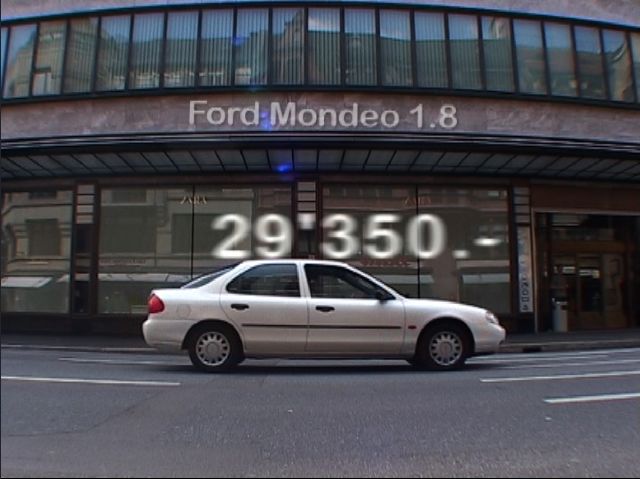
30 Seconds Switzerland (30 Sekunden Schweiz)
Chris Niemeyer (Switzerland)
/ 0.42 min
30 seconds in Switzerland added up; it's simple math!
Escape Studio - Friday, November 23rd at 16:00
360°
Eva Jiricka (Czech Republic)
/ 7 min
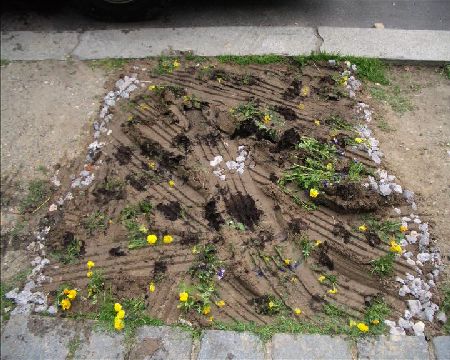
Tourists, a bus, and a flowerbed collaborate to create fine choreography thanks to the watchful and sensitive eye of the artist and her camera.
Escape Studio - Thursday, November 22nd at 16:00
A Girl like me
Kiri Davis (USA)
/ 7 min
Through interviews with her peers and a recreation of Kenneth Clark’s 1940s ‘doll test’, 16 year old Kiri Davis points out that hair and skin colour still matter. One of several films made by participants at ‘The Lab’ in New York, where teenagers learn the craft of documentary filmmaking. This image of America is chillingly universal.

Escape Studio - Saturday, November 24th at 21:00
A Short film for Laos
Allen Sekula (USA)
/ 45 min
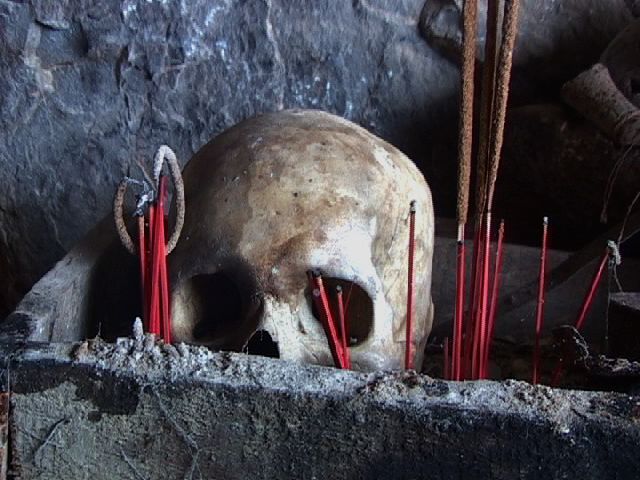
Between 1964 and 1969, on a daily basis, American airplanes systematically bombed the so-called Plain of Jars in north-western Laos, an area filled with ceramic jars that were used for rituals. The film is a testimony and a tribute to a brutal series of events that, astoundingly, appears to have not been registered by any camera. The film tries to confront and reflect upon a war that has not entered our collective memory but that was one of the most violent ever to take place. Sekula demonstrates his unmistakeable ability to weave wry commentary with his capturing of the otherwise unnoticed human aspects of daily life.
Escape Studio - Sunday, November 25th at 14:00
Balkan champion
Réka Kincses (Romania)
/ 84 min
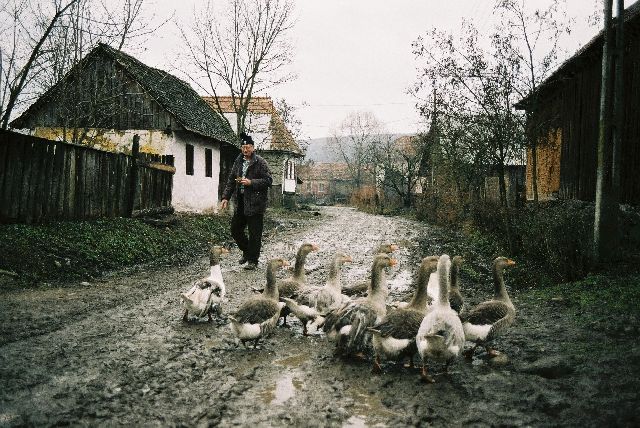
Balkan champion is Réka Kincses’ attempt to understand the path of a Transylvanian Don Quixote - who just happens to be her father. The political choices Kincses' father makes and their repercussions on his family reveal the palpable tensions between the personal and the political, not to mention the deep contradictions of her country: Romania, the newest member of the European Union. The Kincses' story emerges as a complex family drama played out against the inextricable historical forces of the Balkan conflict.
The film’s most revealing moments seem to take place around the kitchen table, as one is treated to the perfect mixture of a political documentary embedded in a veritable home movie.
Winner of the documentary prize at the 2007 Hungarian FilmWeek.
The film’s most revealing moments seem to take place around the kitchen table, as one is treated to the perfect mixture of a political documentary embedded in a veritable home movie.
Winner of the documentary prize at the 2007 Hungarian FilmWeek.
Escape Studio - Friday, November 23rd at 21:00
Escape Studio - Monday, November 26th at 16:00
Bellavista
Peter Schreiner (Austria)
/ 117 min
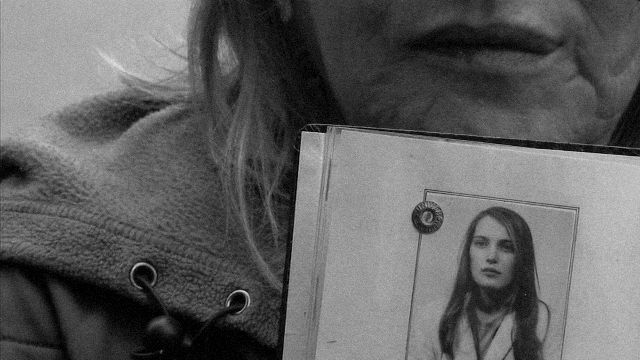
This subtle and poetic portrait of three women in the Italian mountain village Sappada, is above all an example of stunning black and white cinematography. Protagonist Giuliana returns to her home town, taking up work in her parents’ Bellavista Hotel. More than an exposé of a secretive life, the film uniquely relates the uncanny claustrophobia of Alpine life. Against the sound of a dying local dialect (‘Plodar’) and its aging speakers, Giuliana’s perceptions reveal how a language is as much a home as the landscape and hotel are.
Escape Studio - Tuesday, November 27th at 21:00
Boys (Маlchiki)
Valeria Gui Germanica (Russia)
/ 36 min
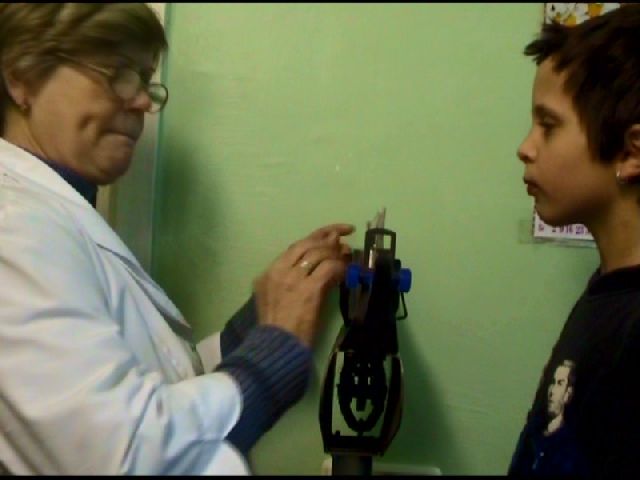
Two brothers of nine and eleven years old embark on a curious journey in this compact roadmovie. Their parents are so fed up they decide to ship them off to a children’s hostel. We visit the boy’s Gypsy cousins who hope to convert to Judaism as their mother stays home and tends affectionately to her pet rat. This world surely surpasses fiction. As Russia is discovering the advantages of digital video and direct cinema, we are treated to extreme intimacy within the family circle.
Escape Studio - Wednesday, November 28th at 19:00
Brother?
Jean-Marc Superville Sovak (USA/Canada)
/ 8 min
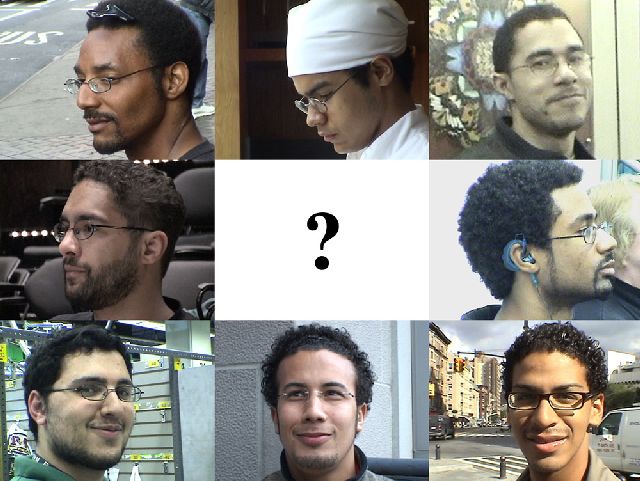
Think of what it’s like being brown. Not quite black, and definitely not white – a murky middle ground of misunderstanding where you’re not really sure where you belong. Are people always asking you where you come from? Are you often compared to someone who looks just like you? Do you ever get a sense of genetic déjà-vu? Brother? is a candid video collage dedicated to all the “brothers from other mothers” in search of their true selves.
Escape Studio - Thursday, November 22nd at 21:00
Escape Studio - Tuesday, November 27th at 19:00
But I still haven’t figured out the meaning of life (Aber den Sinn des Lebens hab' ich Immer noch nicht rausgefunden)
Jan Peters (Germany)
/ 52 min
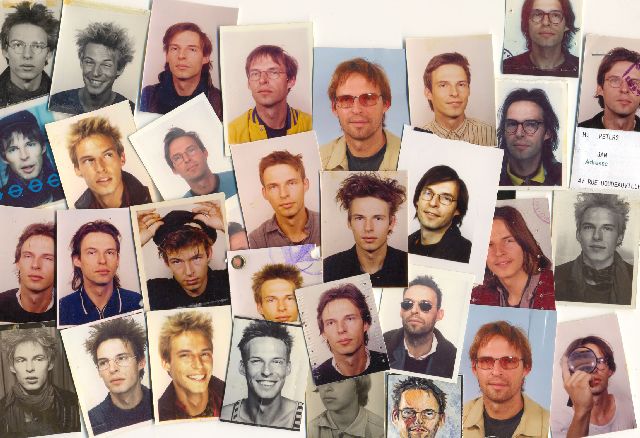
The Jan Peters sampler: Every year on his birthday, Peters filmed one reel of Super-8 material; later on he turned to video. In these few minutes of film he reveals something from and about himself. Maybe its exhibitionism – the way he chatters on until the blotches on the film indicate the end of the reel. Enthusiastic, sometimes tired, often doubtful, he, like everyone else, quarrels with what has come about from his own actions. On top of this, Peters the filmmaker blurs the individual of the same name with his dense texts and images to create something quite different: Jan Peters the fictional character.
Escape Studio - Thursday, November 22nd at 21:00
But still (Doch)
Erwin Michelberger (Germany)
/ 79 min
Oleg Tcherny (Belarus)
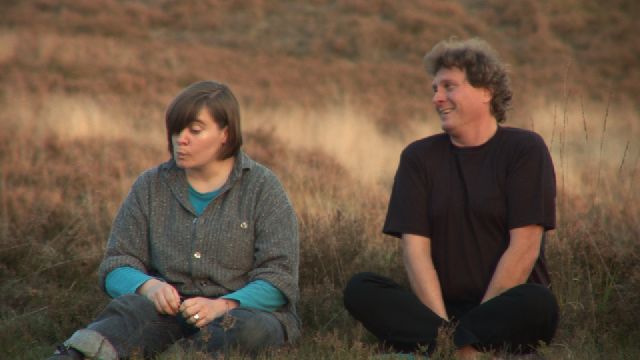
In a forest landscape flooded with light, three men and three women meet for a picknick. All suffer from so-called tics caused by Tourette syndrome. They live a normal life, have families and jobs, but their illness requires a maximum of sensitivity, self-control and self-reflection. But still brings the truthfulness and hidden beauty of their automatic expressions to the surface and shows the thin boundary between "normal" and "abnormal". The film itself is a tic by Erwin Michelberger and Oleg Tcherny, a compulsion towards precision on the one hand and explosion on the other.
In a forest landscape flooded with light, three men and three women meet for a picknick. All suffer from so-called tics caused by Tourette syndrome. They live a normal life, have families and jobs, but their illness requires a maximum of sensitivity, self-control and self-reflection. But still brings the truthfulness and hidden beauty of their automatic expressions to the surface and shows the thin boundary between "normal" and "abnormal". The film itself is a tic by Erwin Michelberger and Oleg Tcherny, a compulsion towards precision on the one hand and explosion on the other.
Escape Studio - Tuesday, November 20th at 20:00
Escape Studio - Saturday, November 24th at 19:00
Escape Studio - Wednesday, November 28th at 16:00
Cabal in Kabul (Cabale à Kaboul)
Dan Alexe (Romania)
/ 87 min
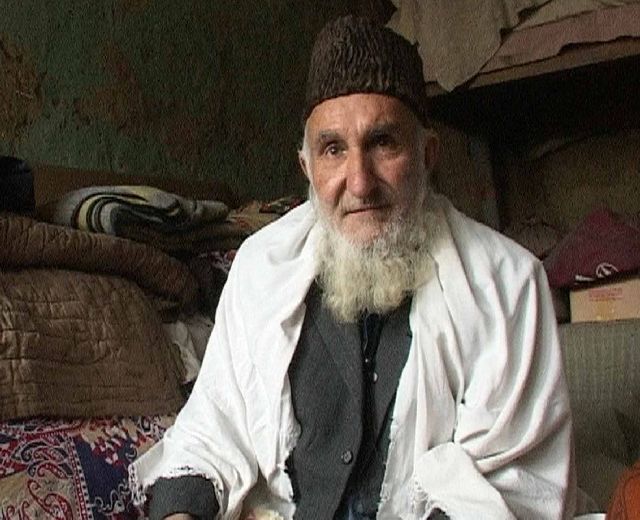
Once upon a time there were Zabulon and Isaac, the two last remaining Jews of Afghanistan. For more than ten years they shared the courtyard of the old synagogue in Kabul, with an incomparable hatred for each other. On the ground-floor, old Isaac scrapes out a living by selling cabalistic amulets to his Muslim neighbours. Upstairs, enthroned on his balcony, Zabulon, glowing, but worn-out in his fifties, haggles with the same Afghans over his illegally produced wine. To make the film, the director had to become of this unreal parable, laced with sarcasm and irony.
Escape Studio - Wednesday, November 21st at 20:00
Communion (Armulaud)
Jaan Toomik (Estonia)
/ 12 min
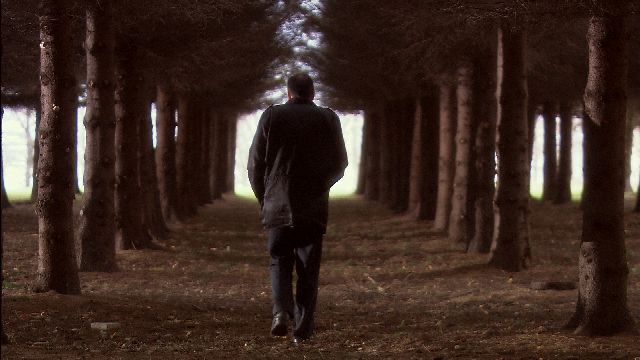
The story of a middle aged man and woman: their relationship, the womans' desperate attempts to get pregnant and the man's fear of commitment. The painterly imagery and the cyclic nature of the movie, which uses no dialogue, occasionally take us from the main narrative to the atmosphere of Toomik's earlier video installations. This visual treat, shot on 35mm, could only have been conceived by an adventurer, an artist not adhereing to known genres. The film is an ode to the power of the image.
Escape Studio - Sunday, November 25th at 19:00
Defense of time (Verteidigung der Zeit)
Peter Nestler (Germany)
/ 25 min
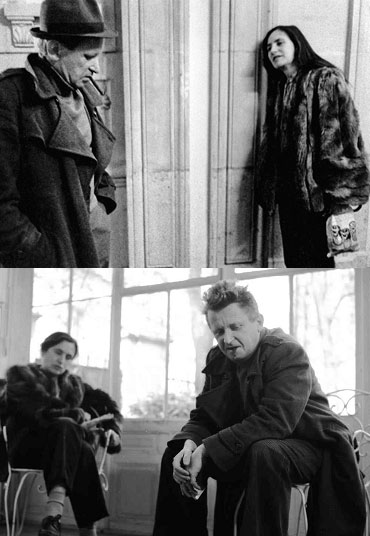
Defense of time was conceived as an introduction to the last film that Danièle Huillet (who passed away in 2006) and Jean Marie Straub wrote and directed together, Quei loro incontri. Peter Nestler, a close friend of Struab and Huillet’s, puts their work into an artistic and biographical context, including the literary works of Cesare Pavese and the paintings of Otto Pankok. The conversations with the filmmakers are complemented by photographs and extracts – among them an earlier Pavese adaptation by Straub/Huillet, Dalla nube alle resistenza.
Escape Studio - Thursday, November 22nd at 16:00
Gala
Allan Sekula (USA)
/ 25 min
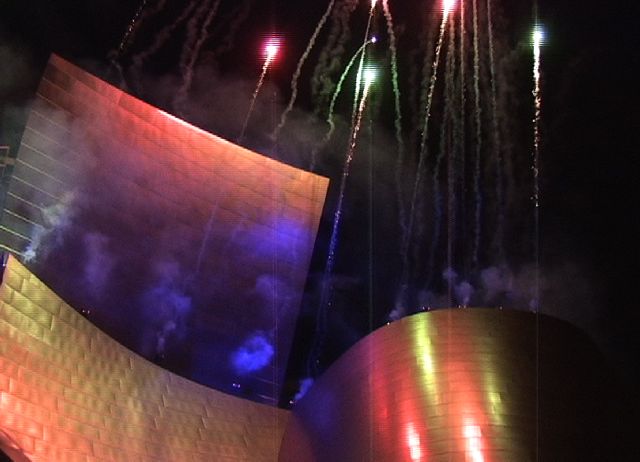
A look at the people who came to the opening of Walt Disney Concert Hall, designed by Frank Gehry, in 2003. Who are these people celebrating the new symphony hall, and how comfortable are they in downtown Los Angeles? The camera dissects this jet-set-event with precision. With the help of precise zooms, the film offers us a portrait of a society as it struts and poses in evening attire on the monumental stairway in front of the building. But in the end, it’s the editing that allows Sekula to tell his story….not everything turns out to be fancy in L.A.
Escape Studio - Saturday, November 24th at 21:00
Hare Christmas
Jaan Toomik (Estonia)
/ 2 min
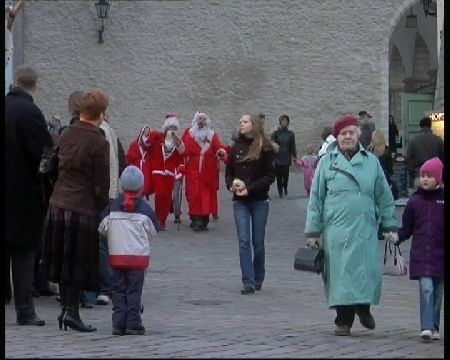
In the heart of the old Estonian city of Tallinn stands a huge fir tree; Christmas is in the air. Approaching faintly is the familiar sound of blissful chanting. But as the sound grows louder we hope to discover its source, a particular and unexpected choir
Escape Studio - Sunday, November 25th at 19:00
Holidays (Kanikuli)
Marina Razhbezhkina (Russia)
/ 52 min
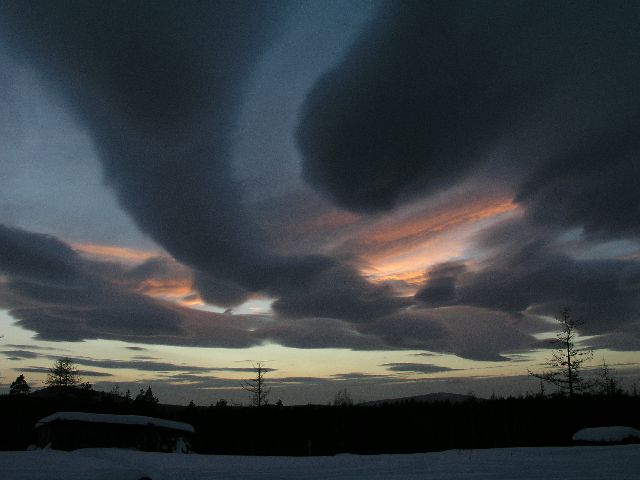
The ‘Mansi’ children at the boarding school in the small Russian town of Ivdel are waiting impatiently for the winter break. The State has modernized these people, forced the kids into city schools. They no longer herd the traditional reindeer. Still, both the children and adults are strong and cheerful in this stunning portrait of a people able to endure the extremes of Nature. After driving all night and finally reaching home, there will be endless games to be played in the snow and stories to be told under the light of the kerosene lamp. Will they really want to leave this for ‘civilization’?
Escape Studio - Saturday, November 24th at 16:00
Homeless me
James Newton (UK)
/ 27 min
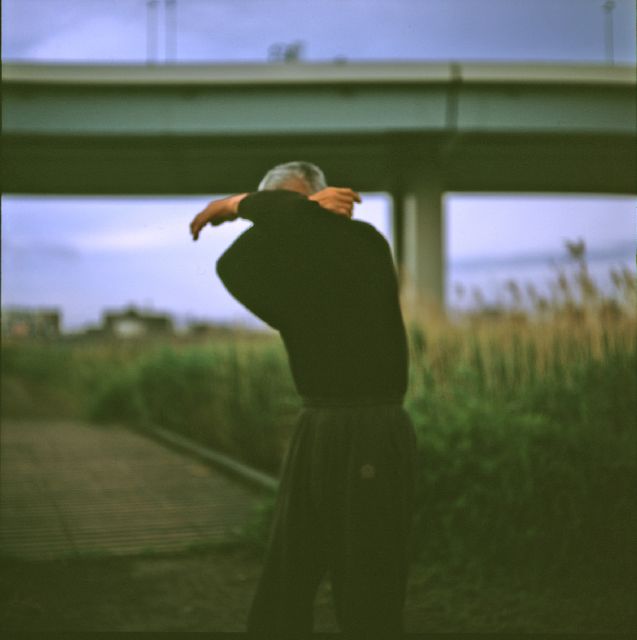
Made as a graduation film for the National Film and Television School, the film chronicles the intriguing relationship between the director, a British citizen living in Tokyo for some years, and Akira, a homeless Japanese man living by the banks of the river in Tokyo. The film has taken up an essential documentary challenge: a real interest in otherness and the courage to contact it and interact.
Escape Studio - Friday, November 23rd at 16:00
Escape Studio - Wednesday, November 28th at 21:00
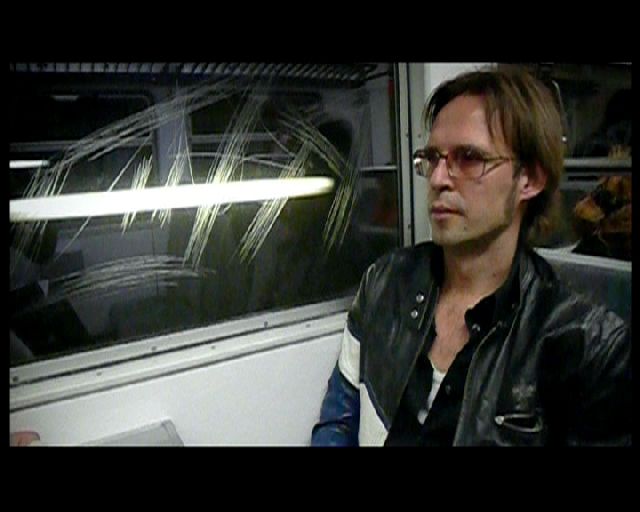
How I became a freelance tour guide (Wie ich ein freier Reisebegeleider wurde)
Jan Peters (Germany)
/ 15 min
A film diary in the land of 1-euro jobs: Jan Peters attempts to get practical training with an early pensioner in Frankfurt who supplements his meagre pension with freelance tour guiding. Every day, he buys a group ticket for the subway and then takes his customers from the airport to wherever they want to go - for a small fee, of course. With a business card, overalls and some elegant after-shave to induce confidence, there is nothing standing in his way. This story about these survivalists at Frankfurt Airport evokes painfully the final days of the German welfare state.
Escape Studio - Monday, November 26th at 19:00
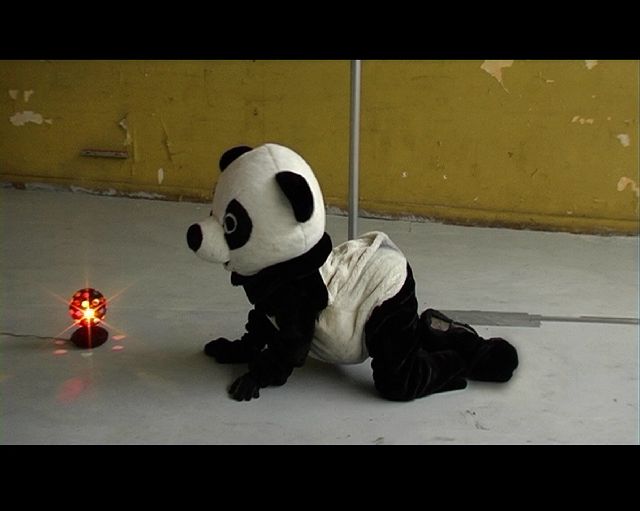
I am a Bomb (Je suis une Bombe)
Elodie Pong (Switzerland)
/ 6 min
A figure in a panda bear costume performs an erotic pole dance. A moment later the dancing stops and takes us a step further. An enigmatic short from the maker of Secrets for Sale which premiered at the Shadow Festival 2003.
Escape Studio - Sunday, November 25th at 14:00
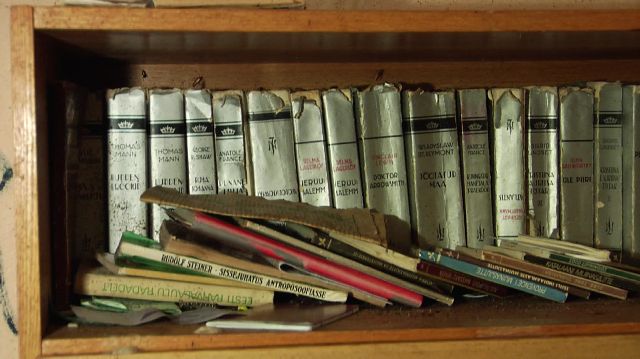
Jaanika
Jaan Toomik (Estonia)
/ 7 min
Somewhere in a house in Estonia the camera does its best to make decay look attractive. The floating images of a once-inhabited apartment fascinate. We hope to discover who left this curious rubbish strewn about. A young girl’s voice is soothing in its honesty as she relates her desire to help the world. Could she live here?
Escape Studio - Sunday, November 25th at 19:00
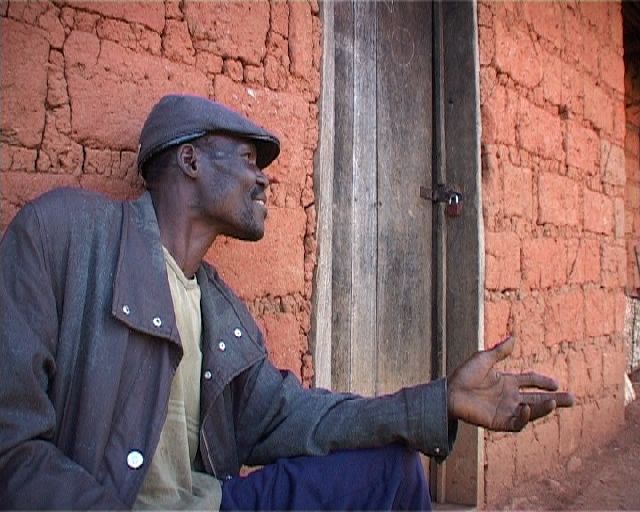
Jean Paul
Francesco Uboldi (Italy)
/ 8 min
Jean Paul was born and raised in Baloum, a remote and pristine village up in the mountains of Western Cameroon. But something has gone wrong. Everyone knows his story. He is barely alive; the filmmaker decides to approach him to see and hear for himself.
Escape Studio - Sunday, November 25th at 14:00
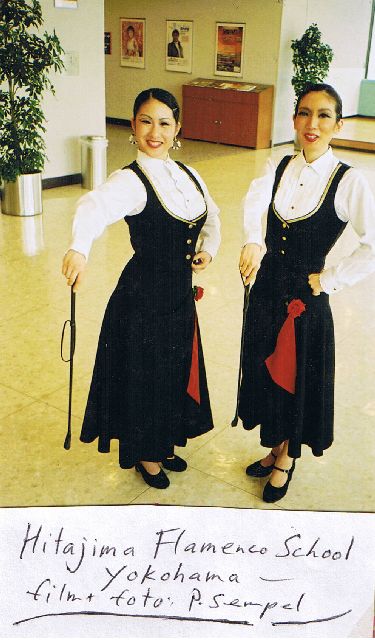
Knives of the wind (Flamenco mi vida)
Peter Sempel (Germany)
/ 92 min
Flamenco, passion, and life in Andalusia; a big mystical tree with deep roots and many branches. A personal collage filmed over two years all over Andalusia, the film intertwines this story with fascinating sidesteps to Cairo, Istanbul, Japan and Khatak (India). ‘Puro’ and ‘Moderno’, old and young, beginners and masters. In studios and clubs, at festivals, and in the streets and fields. Extreme enthusiasm, devotion and energy, joy and pain.
Escape Studio - Sunday, November 25th at 16:00
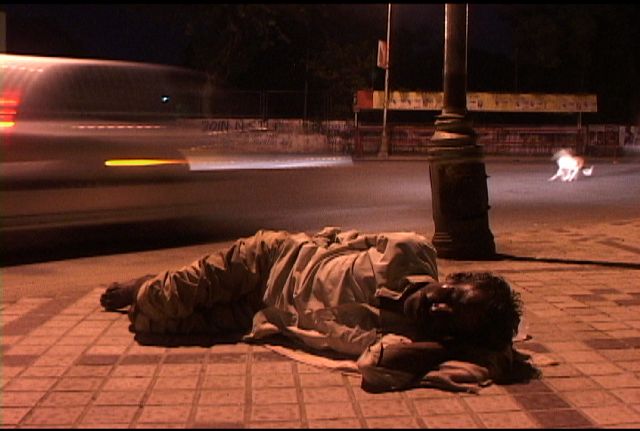
Laxmi at the gate
Anal Shah (India/USA)
/ 20 min
A portrait of Ahmedabad, the filmmaker’s hometown in India, the film tells the story of a barely known local legend: in ancient times, Laxmi, the Hindu Goddess of wealth, was trapped at the city’s gates. A series of brief confrontations mixes the mythical and modern aspects of country where time and history take their own unique path. The filmmaker resists judging his countrymen, but the film goes beyond just observation thanks to its original visual language.
Escape Studio - Wednesday, November 28th at 21:00
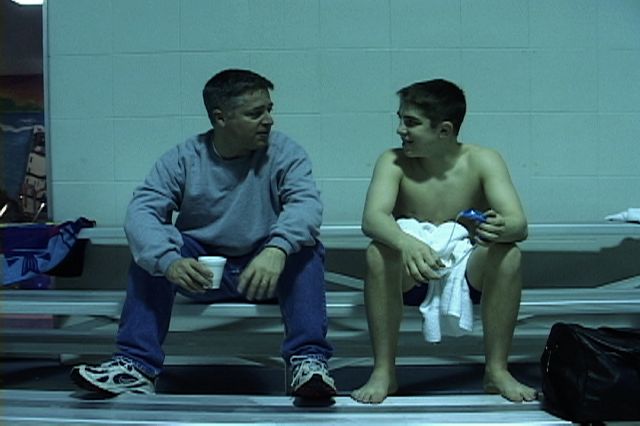
Man up
Arturo Cabanas (USA)
/ 11 min
Parents want nothing but the best for their children, sometimes at surprising costs. Man up looks at the difficult relationship between a young wrestling champion and his father, who is a graduate of West Point and a former Special Forces army ranger. The father focuses on the results of his unorthodox training approach: among other things, sending his young son to live for a while in Belarus on his own. The film balances the sensibilities of father and son, seemingly without judging.
Escape Studio - Saturday, November 24th at 21:00
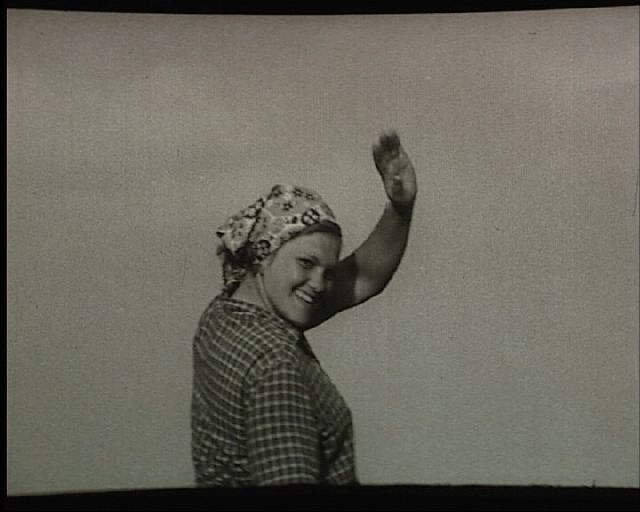
Maria
Victor Asliuk (Belarus)
/ 16 min
In 1974 tractor driver Maria Zharko from Belarus won the All-Union talent competition "Come on, Girls", one of the first prestigious television shows in the Soviet Union. Maria’s picture was in numerous newspapers, and she appeared on television: all of the Soviet Union knew her. Maria deals with her current life. Soft spoken and without sentimentality, Asliuk’s composed images allow us to make our own comparisons of the old and new.
Escape Studio - Saturday, November 24th at 16:00
Moszny
Róbert Lakatos (Hungary)
/ 40 min
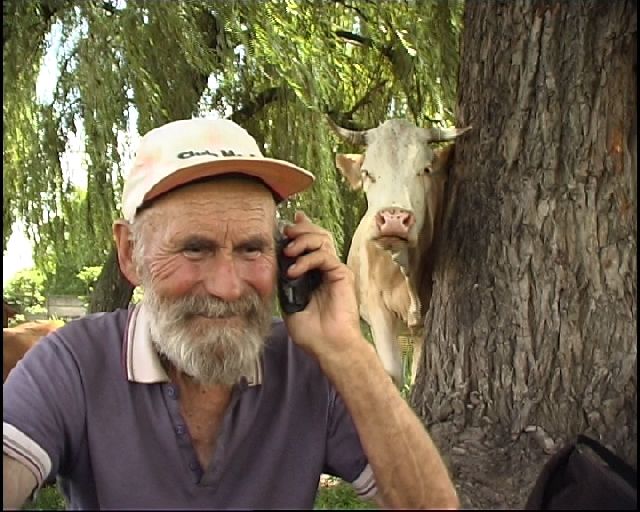
When construction of the Lakeside housing estate in Cluj (Romania) began in the 1980s, most of the private homes were demolished, the inhabitants evicted. But József Moszny did not move. Instead, he continued to raise his cattle amidst the concrete roads, warehouses, apartments and city traffic. Filming the story of this quiet revolution, Lakatos raises this ironic portrait to the level of a metaphor for the tension between old and new in Eastern Europe.
Escape Studio - Sunday, November 25th at 19:00
Nadia, nobody (Nadia, nadie)
Nuria Gómez Garrido (Spain)
/ 11 min
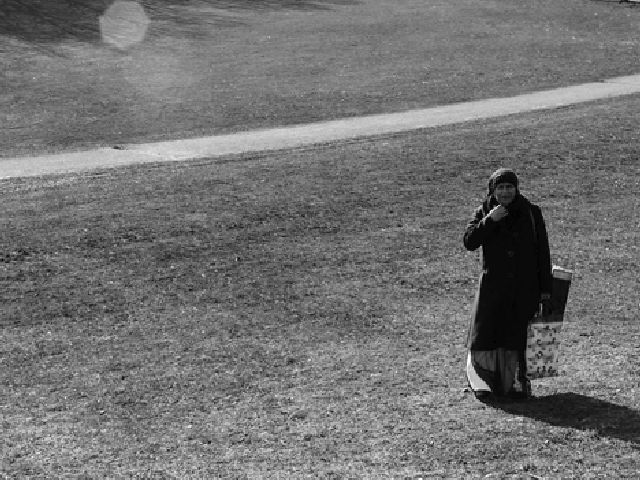
Nadia is a woman without a man. After discovering that her husband married a second woman, she decided to start a new life alone, nonetheless staying close to God. To her, her five daughters are better than fifty Arabic men. A woman’s strength and perseverance are in evidence thanks to this cinematic jewel.
Escape Studio - Monday, November 26th at 21:00
Recruit Rosenberg
Efraim Klein (USA)
/ 22 min
Max Blecker (USA)
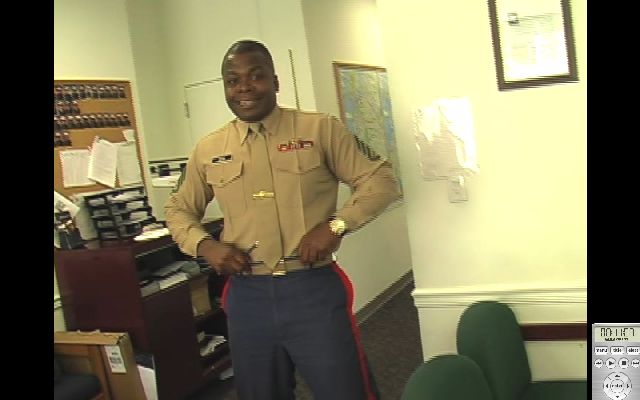
When Doran Miller-Rosenberg unexpectedly decided to join the US Marine Corps, his close friends Max Blecker and Efraim Klein followed him with a camera. They film his final weeks at home, both to document his experience joining the armed forces and to uncover the reasons behind his drastic decision. One of several films made by participants at ‘The Lab’ in New York, where teenagers learn the craft of documentary filmmaking.
When Doran Miller-Rosenberg unexpectedly decided to join the US Marine Corps, his close friends Max Blecker and Efraim Klein followed him with a camera. They film his final weeks at home, both to document his experience joining the armed forces and to uncover the reasons behind his drastic decision. One of several films made by participants at ‘The Lab’ in New York, where teenagers learn the craft of documentary filmmaking.
Escape Studio - Saturday, November 24th at 21:00
Escape Studio - Wednesday, November 28th at 19:00
Remote intimacy
Sylvia Schedelbauer (Germany)
/ 15 min
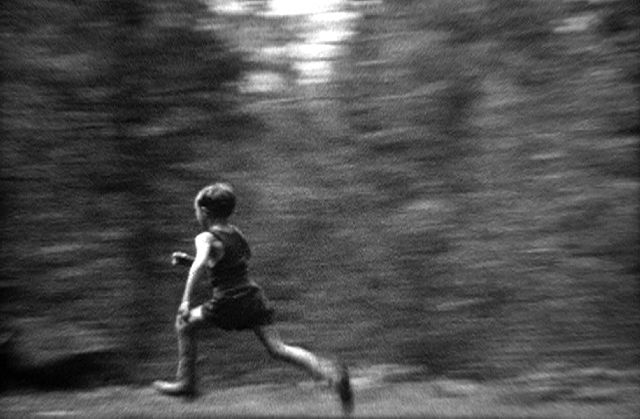
A montage of metaphorically charged black and white archival footage from the 1920s to the 1960s forms an associative stream of consciousness that revolves around the connection between the collective and individual, war and peace, family and autobiography. The film continues her engagement with the repercussions of World War II. The filmmaker’s mother is Japanese and father German, the basis for her previous film Memories (Shadow Festival 2004).
Escape Studio - Friday, November 23rd at 19:00
Escape Studio - Monday, November 26th at 19:00
Scenes from a wild boar hunt (Scènes de chasse au sangliers)
Claudio Pazienza (Belgium/France)
/ 46 min
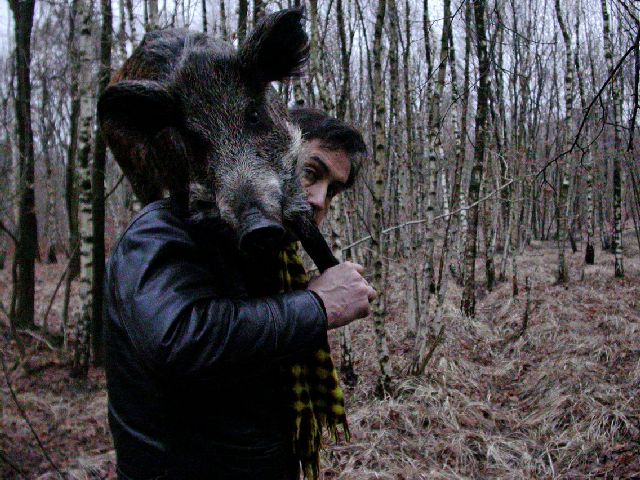
A wild boar hunt, a taxidermist’s skill and a copy of Etienne-Jules Marey’s chronophotographic gun are the ingredients for an intimate voyage. The real hunt turns out to be one to unravel the mystery behind all sorts of visual imagery (often recalling the paintings of Magritte). Instead of an explanatory essay, the film is an incantation that comes to terms with the death of the filmmaker’s father.
Escape Studio - Tuesday, November 27th at 19:00
So it goes
Max Blecker (USA)
/ 14 min
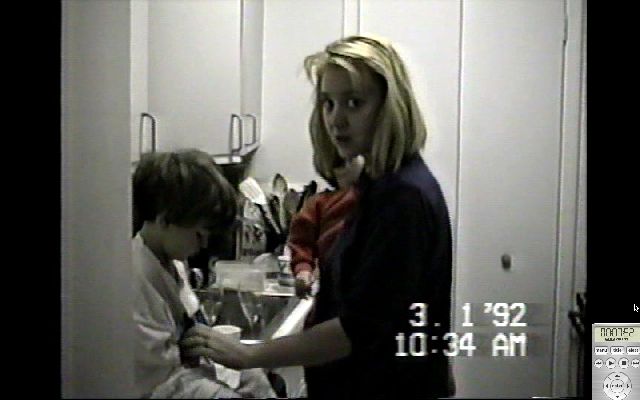
This young filmmaker’s psychological examination of his own father is a project both brave and original. A father’s thirty-year struggle with bipolar disorder greatly affected his family. Blecker attempts to gather all the perspectives and experiences within family, while being aware all along of his double role as filmmaker and family member. The camera’s honesty can be painful One of several films made by participants at ‘The Lab’ in New York, where teenagers learn the craft of documentary filmmaking.
Escape Studio - Saturday, November 24th at 21:00
Songhua
J. P. Sniadecki (USA)
/ 28 min
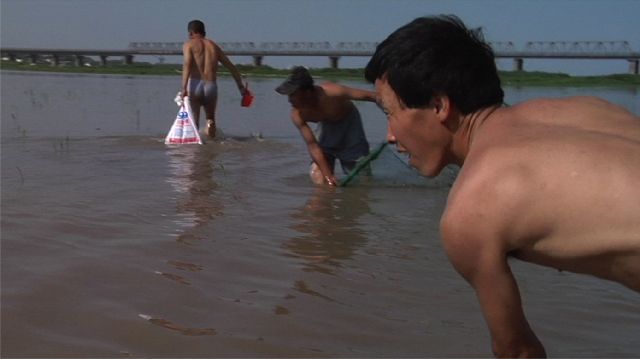
The Songhua River runs through Harbin, the capital of the Heilongjiang province in north-eastern China, and serves as the city's main water source. By attending to the everyday activities of leisure and labour unfolding along the banks and promenade, Songhua depicts the intimate and complex relationship between city residents and their ‘mother river’. Beautifully composed tableau’s demonstrate how framing can be more important than observing.
Escape Studio - Friday, November 23rd at 16:00
Speech memory
Caroline Key (USA)
/ 23 min
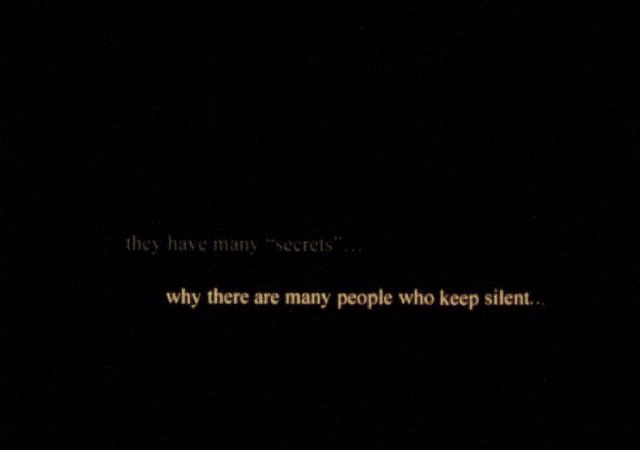
A posthumous portrait of the director's grandfather Key Jin Yun, a deaf-mute Korean born during the Japanese occupation of his country, learning only written Japanese and Japanese sign language. Alternating between her father’s reenactment of the sign language he spoke with his father, and audio conversations with her father, the film is visually comprised of graphically animated subtitles that mirror the unique spatial presence of sign language. Speech memory examines the impact of immigration and cultural assimilation through the details of Key Jin Yun’s life, revealing the shifting complexities of language, national identity, and memory.
Escape Studio - Thursday, November 22nd at 16:00
Tales from the Arctic Circle
Roz Mortimer (UK)
/ 3 min
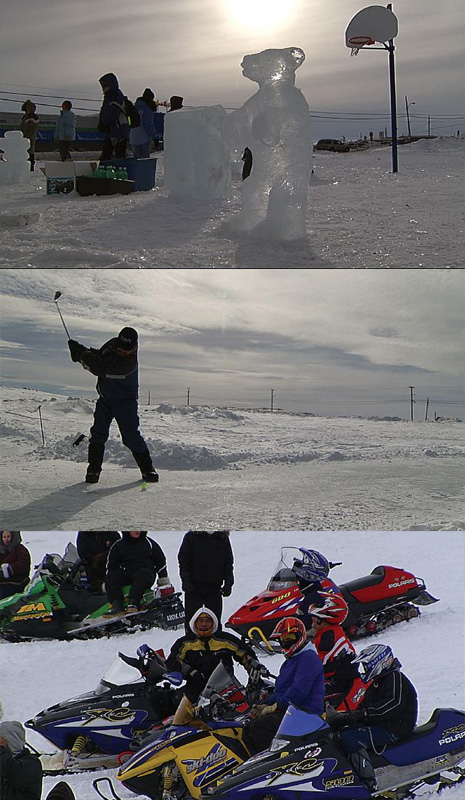
These four shorts follow a week at the Toonik Tyme festival in Iqaluit, the Inuit capital. The locals compete in tests of skill: igloo building, ice sculpture, snowmobile racing and a round of golf on a fairway carved from the sea ice. Behind these enchanting images are stories of homelessness, melting ice, colonialism and isolation. A poetic meditation on contemporary Inuit life that questions the future of this people.
Escape Studio - Thursday, November 22nd at 21:00
Escape Studio - Friday, November 23rd at 16:00
Escape Studio - Wednesday, November 28th at 19:00
The Block (Das Block)
Stefan Kolbe (Germany)
/ 75 min
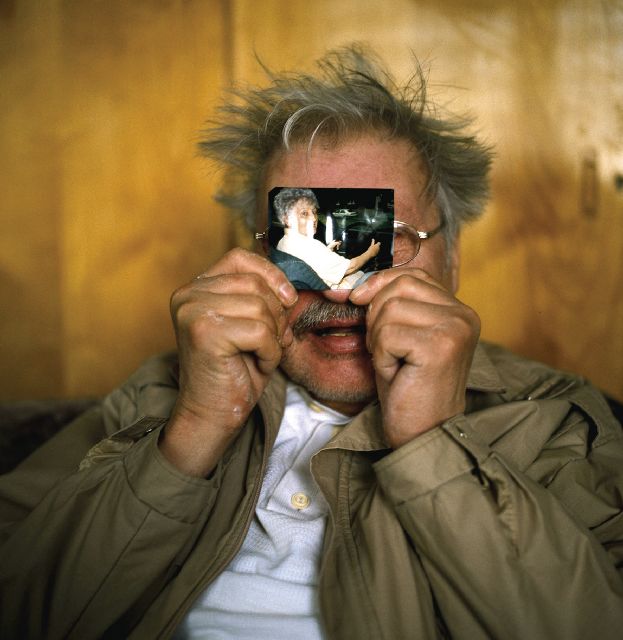
A small town, somewhere in eastern Germany – Gräfenhainichen. A street in the town – Poetenweg. Eighty-five identical one-room flats. Four doors open to us; inside are two women and two men. Four generations. Germany is portrayed as the new European melting pot, a crossroads between East and West. Das Block doesn’t observe, but creates – extreme characters, emotions, paranoia. Fellini meets the world of German Expressionism. The film’s mixing of genres, from outspoken drama to cool reflection, draws modern documentary into the realm of world cinema.
Escape Studio - Sunday, November 25th at 21:00
The Lausitz 20x90 (Die Lausitz 20x90)
Bernhard Sallmann (Germany)
/ 34 min
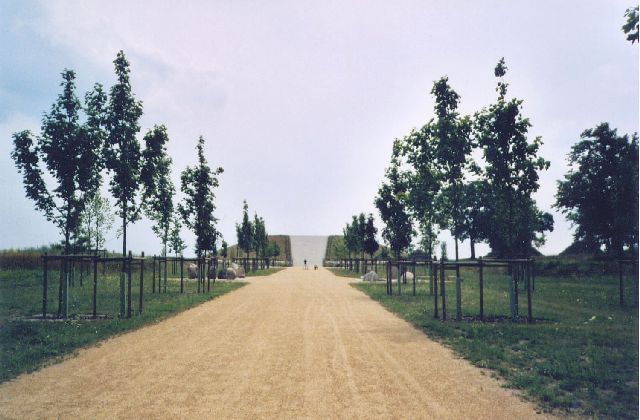
The landscapes of the German Lausitz region were once known for the surface mining of brown coal. How to find lyricism anywhere here? The filmmaker accepts this challenge. The film shows us how essential sound can be to documentary cinema. At the same time the camera takes us back, paradoxically, to the magical era of the silent cinema. A striking mixture, an ode to filmmaker James Benning.
Escape Studio - Monday, November 26th at 19:00
The Mirroring cure
Charlotte Ginsborg (UK)
/ 28 min
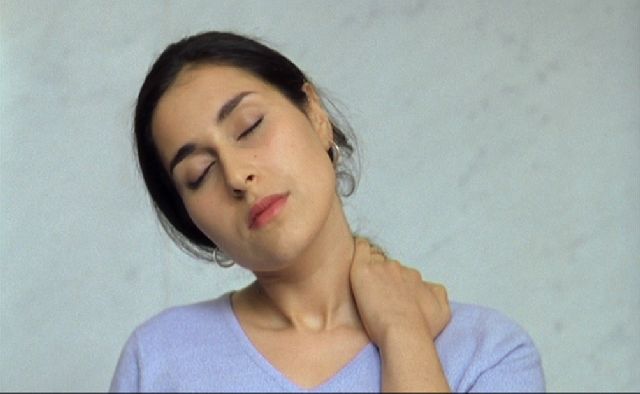
Tracing the life of a construction site, a company secretary decides to dissect the lives of those employed around her. The prime fascination is with an architect who suffers from vertigo aggravated by the large scale of the site. Particularly intriguing is the bizarre cure he develops to cope with his affliction. As it details the complexity of personal identities formed through being at work, the film presents in a short time a full palette of characters. Is this a new genre: ‘architectural drama’?
Escape Studio - Wednesday, November 28th at 21:00
The Operating Theatre (Le Théâtre des opérations)
Benoît Rossel (France/Switzeland)
/ 86 min
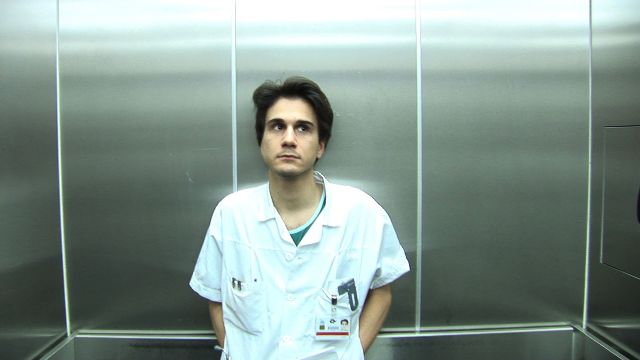
The film shows the rites of initiation of an apprentice surgeon in the operating block at a university hospital, a strange and foreign world in which we are transient guests. Chronicles of death and human ingenuity, ambition and pettiness, generosity, fear and black humour are written here. The Operating Theatre stages the vital substance of life. Seemingly about the daily training of this young surgeon, the real subject of the film is its author, the young filmmaker Rossel who wants to conquer his fear of hospitals. The film succeeds in combining a detailed view of this secret society with the quite personal reflections of the filmmaker.
Escape Studio - Tuesday, November 27th at 16:00
The Projection has begun (La Proiezione e cominciata)
Oleg Tcherny (Belarus)
/ 7 min
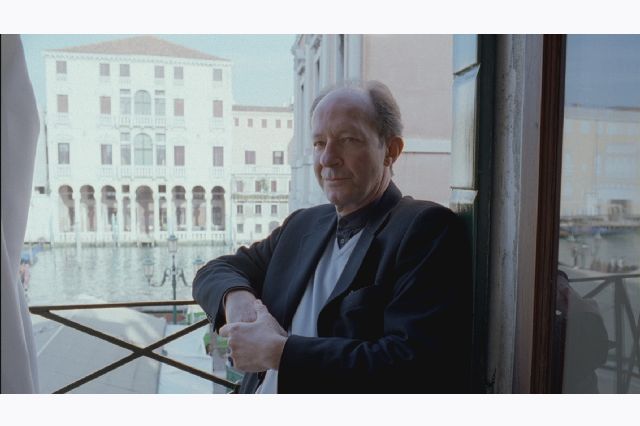
Sancho Panza enters a movie theater in a provincial city, looking for Don Quixote. He finds him sitting off to the side, staring at the screen. The theater is almost full; the balcony is entirely occupied by noisy children. The Projection has begun is an adaptation of Giorgio Agamben’s essay “The six most beautiful minutes in the history of cinema”, itself a description and analysis of a fragment from Orson Welles’ unfinished film Don Quichote. A portrait in 24 daguerreotypes per second.
Escape Studio - Tuesday, November 27th at 19:00
The State of Israël vs. Tali Fahima
Tal Hakim (Israel)
/ 58 min
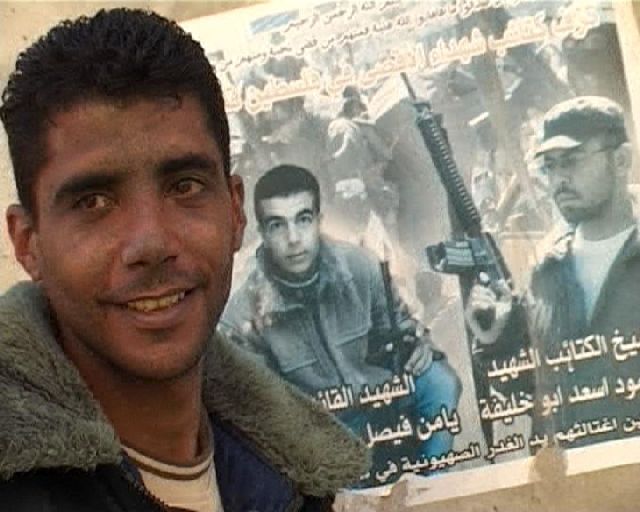
In the midst of the bloody war between Israel and the Palestinians, Tali Fahima , a young Israeli woman from the town of Kiryat Gat, develops a complex relationship with one of the most wanted Palestinians in the West Bank: Zakaria Zbeidi. Fahima declares she will serve as a human shield for Zbeidi against IDF forces and is arrested by the Israeli Secret Service. Hakim’s film follows Fahima’s legal struggle to prove her innocence and the media frenzy surrounding her trial. Although we never see the filmmaker, the film’s personal touch is present keeping the documentary from pretending to be any kind of ultimate truth on this heated issue.
Escape Studio - Thursday, November 22nd at 19:00
World star
Nataša von Kopp (Germany)
/ 52 min
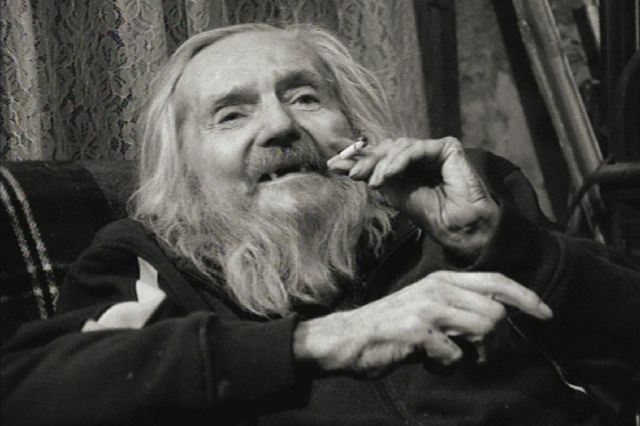
Miroslav Tichy, an old man, lives a hermit in a small town in Moravia. Suddenly, in his old age, he has to face fame as his photos are sold for up to 12.000 euros. This saga reveals the machinations of the international art world, once it has found a marketable victim. The photographer Tichy has become a celebrity and he could care less. The young cineaste has created a portrait for the cinephil in keeping with the atmosphere of Tichy’s photographic works and his wry world view. A magical approach to a man once known as an anti-Communist hero.
Escape Studio - Friday, November 23rd at 19:00
Escape Studio - Monday, November 26th at 21:00